


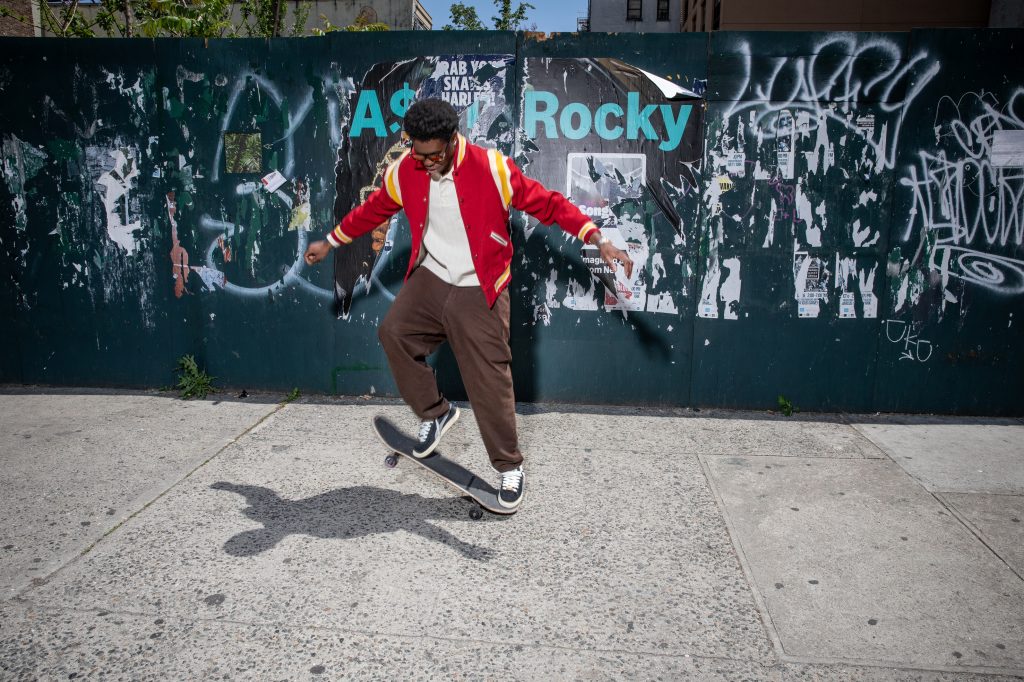
Some sneakers are remembered because they were fashionable. Others become part of the culture.
The A$AP Rocky x PUMA Suede ’94 belongs firmly in the second category.
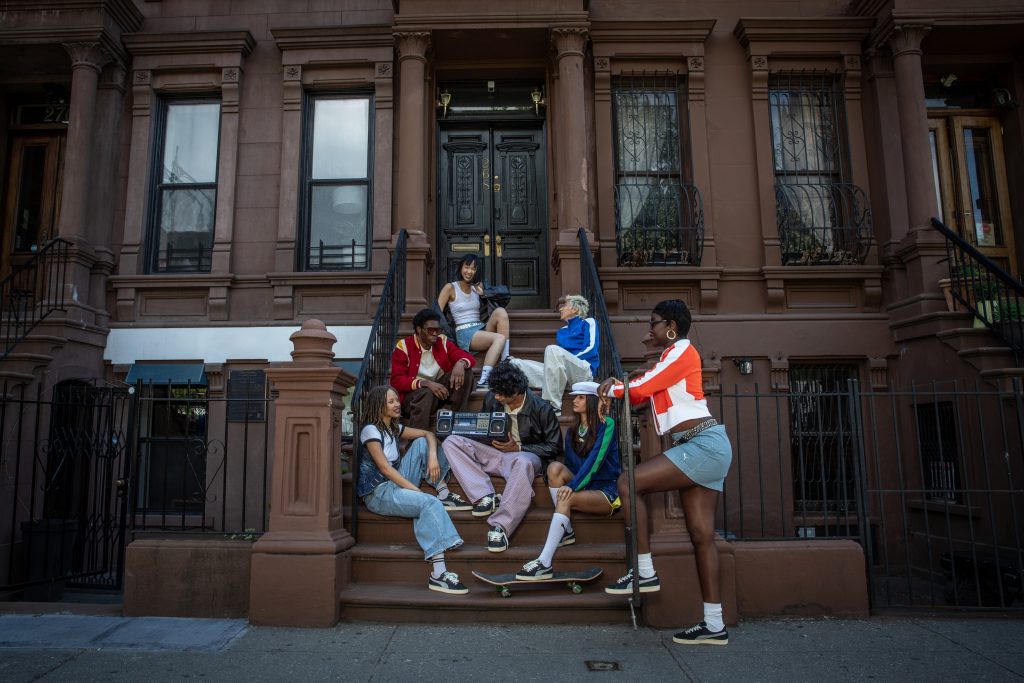
Reviving a design that has not returned since its original release, A$AP Rocky has reached deep into PUMA’s archive to bring back a silhouette connected to the energy of 1990s New York—a period when hip-hop, skateboarding and streetwear were rapidly reshaping how people dressed and expressed themselves.
The result is familiar, but far from untouched.
A Sneaker Born From a Cultural Collision
For Rocky, the appeal of the ’94 Suede isn’t simply about bringing back an old sneaker.
It is personal.
Growing up in New York, Rocky saw the PUMA Suede worn by figures who helped define the city’s relationship with style and sport, including basketball legend Walt “Clyde” Frazier.
“I remember when my mom bought me my first pair of suedes,” .
Rocky recalls
That memory provides the foundation for the collaboration.
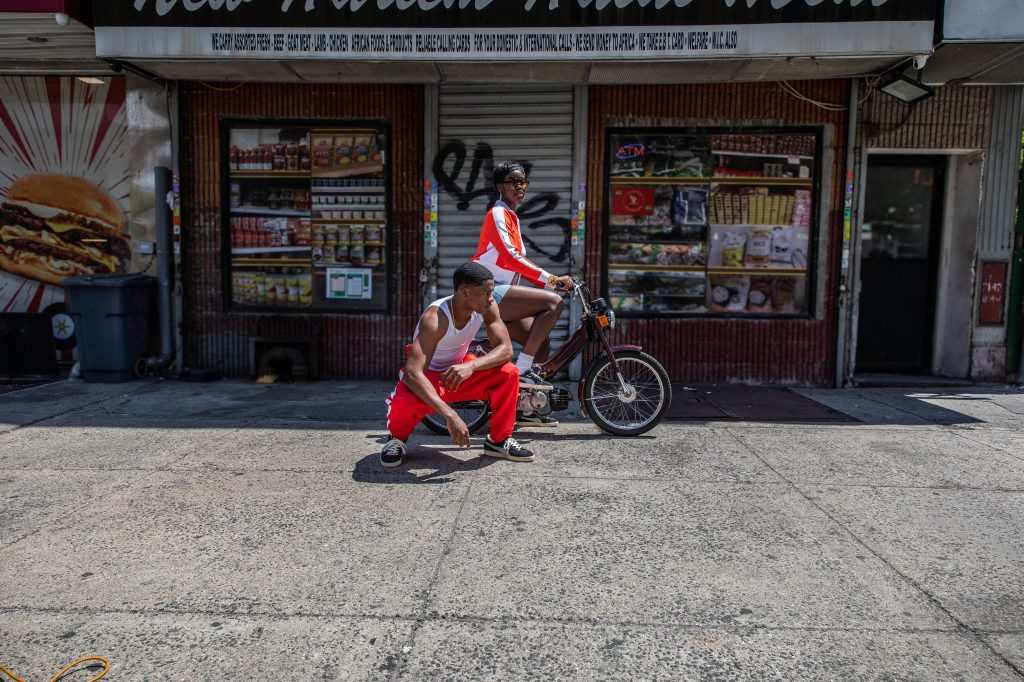
The original Suede ’94 emerged during a particularly influential moment in New York. Hip-hop was entering its Golden Era, streetwear was becoming a cultural force and downtown skateboarding was developing its own visual language.
The sneaker existed right in the middle of that collision.
For a generation of skaters and creatives, footwear wasn’t simply equipment or an accessory. It was part of the uniform.

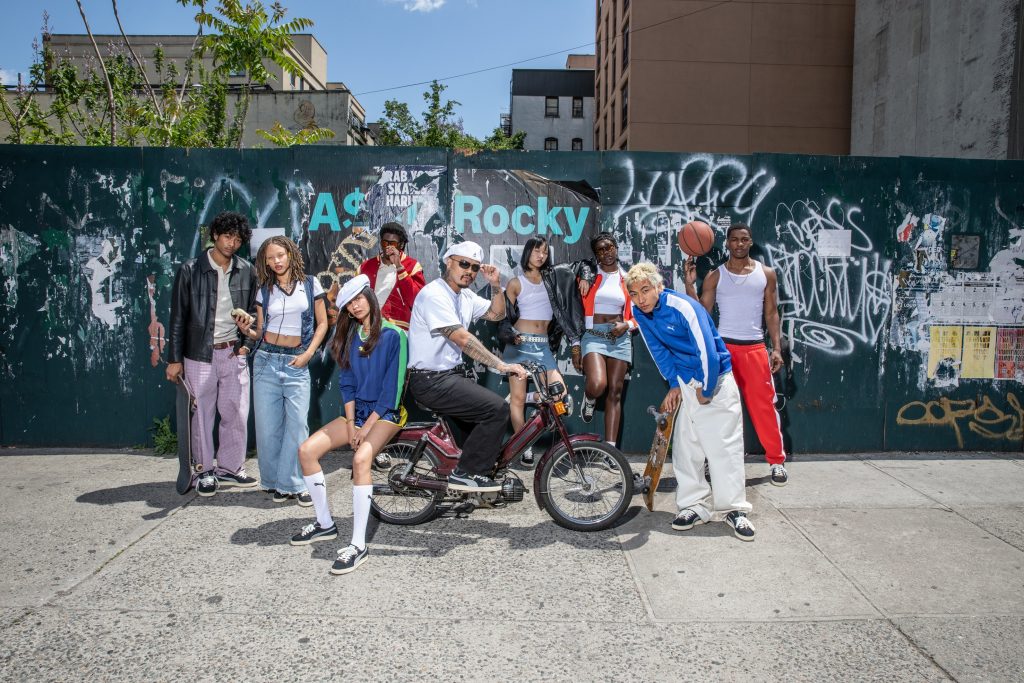
Rocky Puts His Stamp on the Archive
As PUMA’s Creative Director for more than three years, Rocky has increasingly used the brand’s archives as a starting point for experimentation.
With the Suede ’94, however, the approach is deliberately nostalgic.
The silhouette retains the spirit of the original while introducing details designed to make this version immediately recognisable.
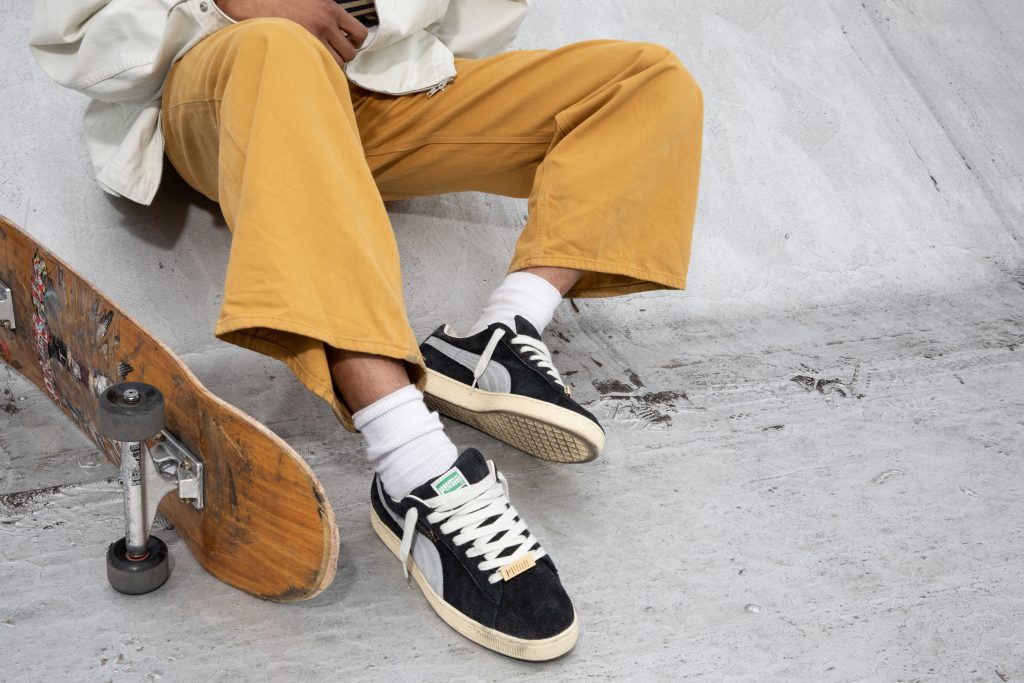
A raw-edge padded tongue gives the shoe a tougher, unfinished character, while a retro woven label reinforces its throwback identity. The slimmer tooling also pushes the profile closer to the aesthetic Rocky was chasing.
Then there is the detail that arguably separates this version from every previous Suede.
A full retro PUMA logo sits on the quarter panel.
According to PUMA, no previous iteration has featured the logo in this configuration, giving the ’94 a visual signature that can be spotted instantly.
A gold PUMA lace keeper adds another bespoke touch, while the custom shoebox extends the collaboration beyond the sneaker itself.
Why It Matters to Skate Culture
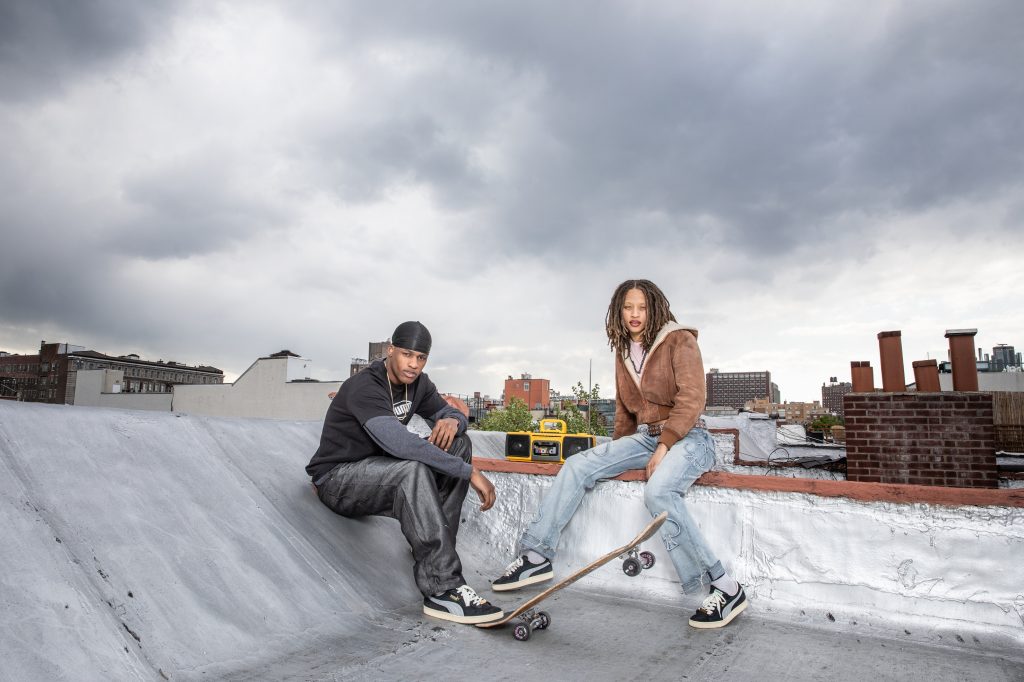
The Suede has travelled through countless cultural movements, and skateboarding remains an important part of that story.
The appeal of the ’94 revival is therefore not simply that it looks like a sneaker from the past. It represents a period when skate style wasn’t neatly separated from music, art and street fashion.
That crossover is still visible today.
Skateboarding has become increasingly connected to global fashion, while sneakers continue to operate as cultural markers far beyond the sports they were originally designed around.
Rocky’s interpretation taps directly into that overlap.
Rather than attempting to make the Suede look futuristic, the collaboration recognises the power of the archive—and then lets contemporary culture reinterpret it.
Built for the Next Chapter
The A$AP Rocky x PUMA Suede ’94 is ultimately about continuity.
The shoe carries the visual language of 1994 while being presented to a generation experiencing street culture through a completely different landscape.
That makes the collaboration interesting beyond its celebrity status.
Rocky isn’t simply putting his name on a classic. He is reconnecting with a piece of the culture that influenced him and giving it another opportunity to become part of the uniform.
The archive gets another run. The culture keeps moving.
The A$AP Rocky x PUMA Suede ’94 launched worldwide on 16 July through PUMA.com, PUMA retail stores and Shelflife, with a South African retail price of R2,599.
For skaters, sneaker heads and anyone who understands that style can carry history, this is less about looking backwards—and more about deciding what deserves to move forward.