
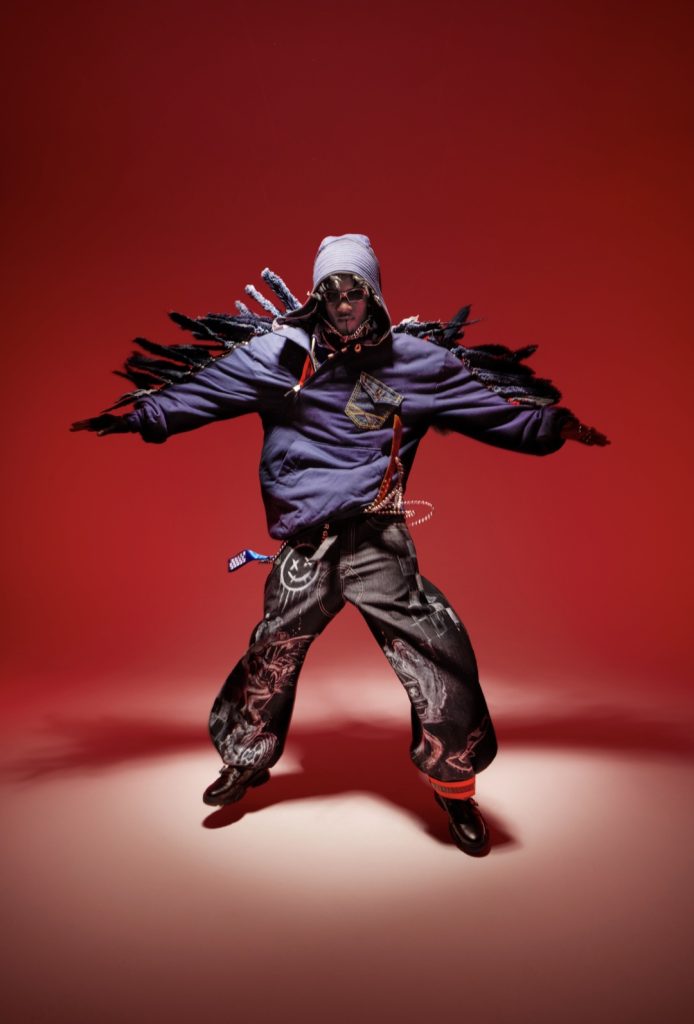
South Africa‘s spinning culture has always been about more than cars. It’s about identity, precision, creativity and the communities that bring the scene to life. Now, that culture is making its mark on the fashion world through Engen Xtreme Kouture, a collection that transforms discarded lubricant materials into garments inspired by the country’s motoring lifestyle.
Unveiled at Heat on the Street at Kwamagesh Spinning Arena on 10 October 2026, the collection brought together automotive spectacle, sustainable design and street culture, challenging conventional ideas about what fashion looks like and where its materials come from.
From the Garage to the Runway
Developed by Engen, the collection draws inspiration from the mechanics, spinners, tuners, shop stewards and petrolheads who have helped shape South Africa‘s distinctive automotive culture.
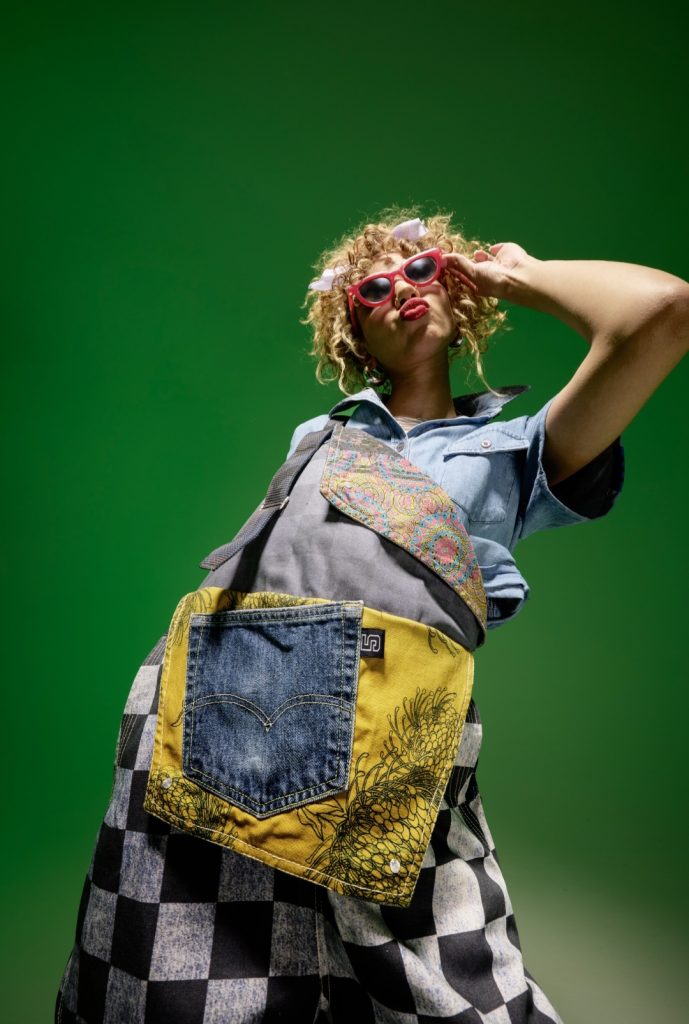
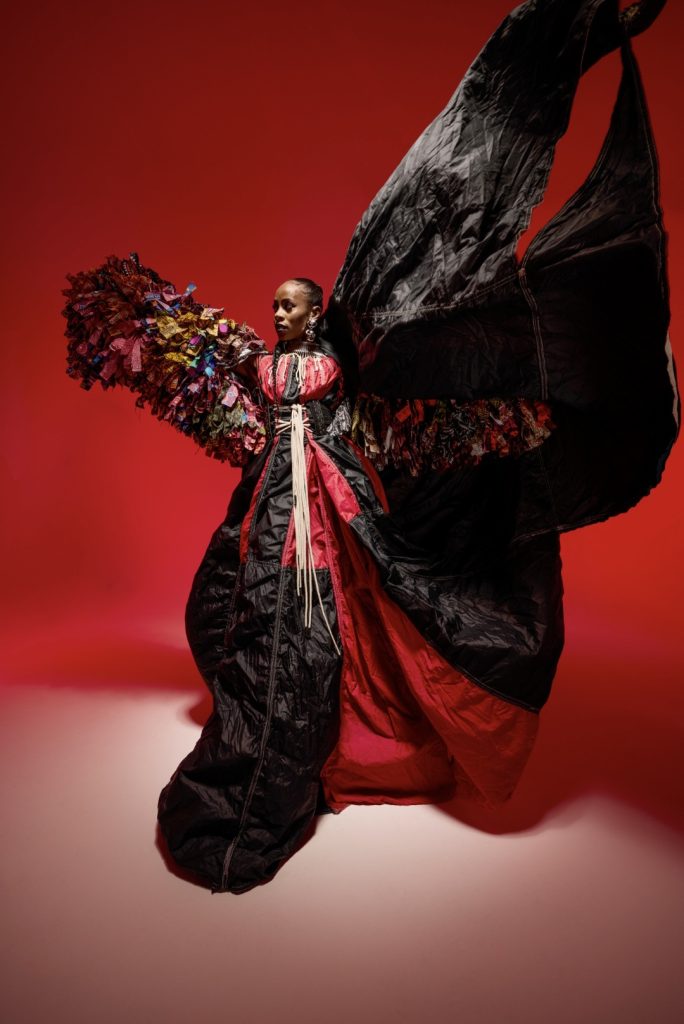
Rather than borrowing from an established fashion trend, Engen Xtreme Kouture looks to the garage itself as a source of creative inspiration. Lubricant bottles, bottle caps and recycled corporate clothing were repurposed into garments that reflect the attitude and individuality already present in the motoring community.
The collection’s central idea is simple: the people who keep South Africa moving deserve to be part of its fashion conversation.
Melissa Graham, Engen Lubricants Marketing Manager, said the project was designed to recognise the identity and attitude that already exist within garage culture.
“The aim wasn’t to make garage clothing look fashionable. It’s to acknowledge that the garage already has fashion, identity, and attitude of its own,” .
Graham explained
That distinction matters. From customised paintwork and distinctive wheels to carefully considered vehicle stances, spinning culture has long used visual details to communicate personality. The collection translates that same approach into clothing.
When Spinning Culture Meets Sustainable Fashion
Engen commissioned Chicago-based South African artist, fashion designer and activist Carlo Gibson to bring the concept to life. Gibson’s work explores sustainability, recycling, upcycling and the creative potential of materials that are often overlooked or discarded.

For Gibson, the project was an opportunity to connect two worlds that share a common language of customisation and self-expression.
“Car culture has always had fashion in it. The way people customise a car, the colours they choose, the stance, the wheels, the detailing, it is all self-expression.”
he said
The comparison extends naturally to streetwear, where familiar materials and silhouettes are transformed into personal statements. With Engen Xtreme Kouture, that process begins with the waste generated around the automotive industry.
However, Gibson is not presenting sustainable fashion as a problem with a simple solution.
He believes consumers can make a difference by buying less, choosing more consciously and expecting clothing to last longer. In an industry driven by constant novelty, longevity becomes a statement in its own right.
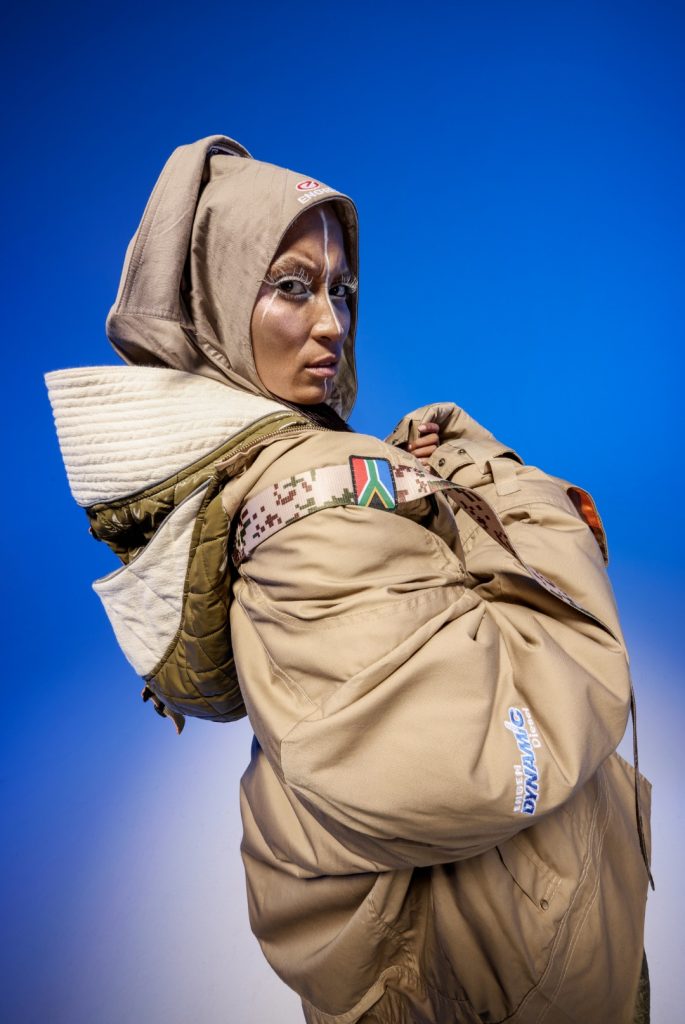
The collection therefore offers more than an unconventional aesthetic. It asks what happens when brands reconsider the life cycle of their materials and look to the communities around them for inspiration.
Local Skills Behind the Collection
The project also included a skills-development component, with a fashion design intern working alongside Gibson throughout the garment-creation process. Local seamstresses contributed to the production, bringing practical craftsmanship and local labour into the project.
This aspect connects the collection’s sustainability message to a broader question: how can creative projects generate value beyond their finished products?
For Graham, the answer involves looking at the entire ecosystem surrounding the automotive sector, from lubricant packaging and workshops to education, waste management and independent businesses.
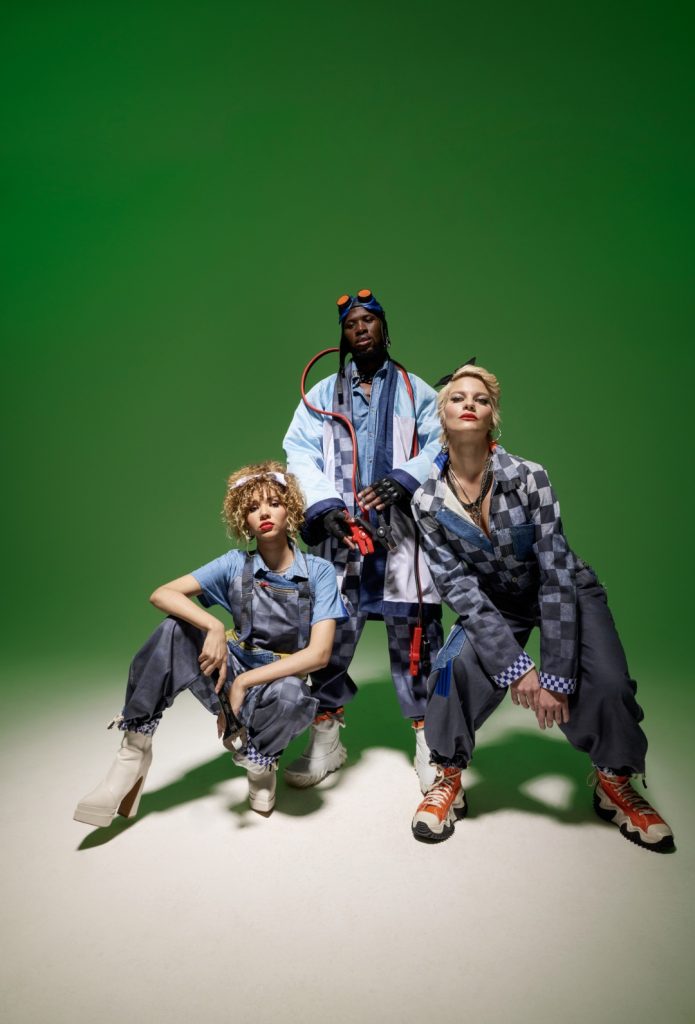
That approach forms part of Engen Xtreme’s Beyond Oil platform, which explores responsible recycling and ways to create value beyond lubricants themselves.
While the collection provides a visual expression of that commitment, its longer-term impact will depend on how these ideas translate into sustained opportunities for skills development, local collaboration and responsible material use.
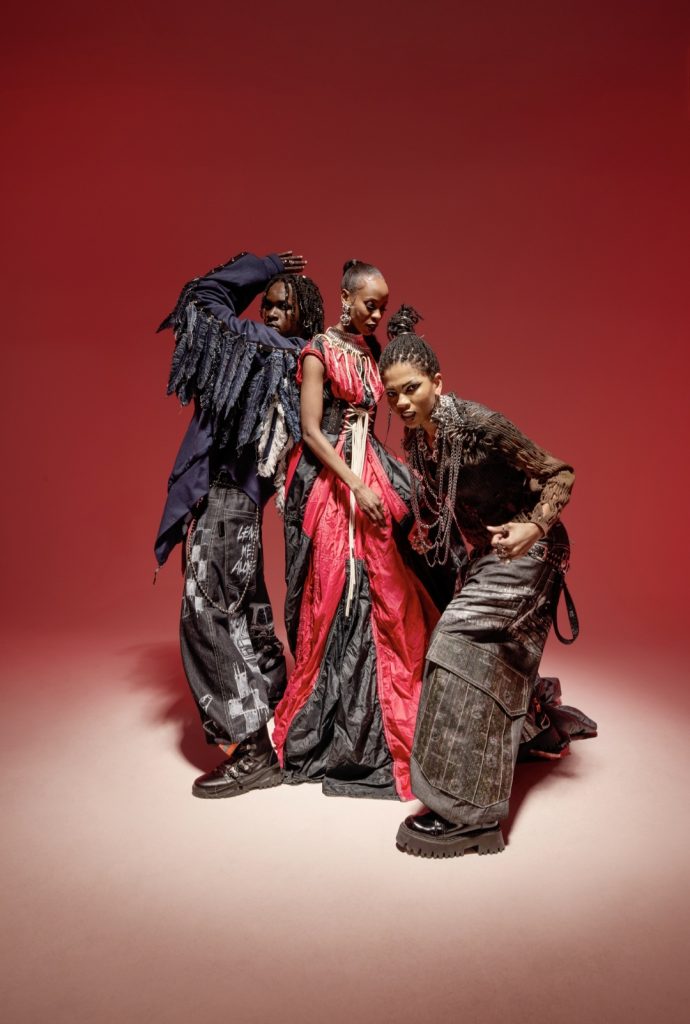
Heat on the Street Celebrates the Spinning Scene
The collection’s unveiling took place against the high-energy backdrop of Heat on the Street, where the spinning community took centre stage.
The event also recognised standout performers, with R10,000 prizes awarded to three winners:
- Best Female Spinner (Driver): Kayla
- Best Stuntsman: Tshego, part of Prince’s driving and spinning team
- Best Spinner (Driver): Mano
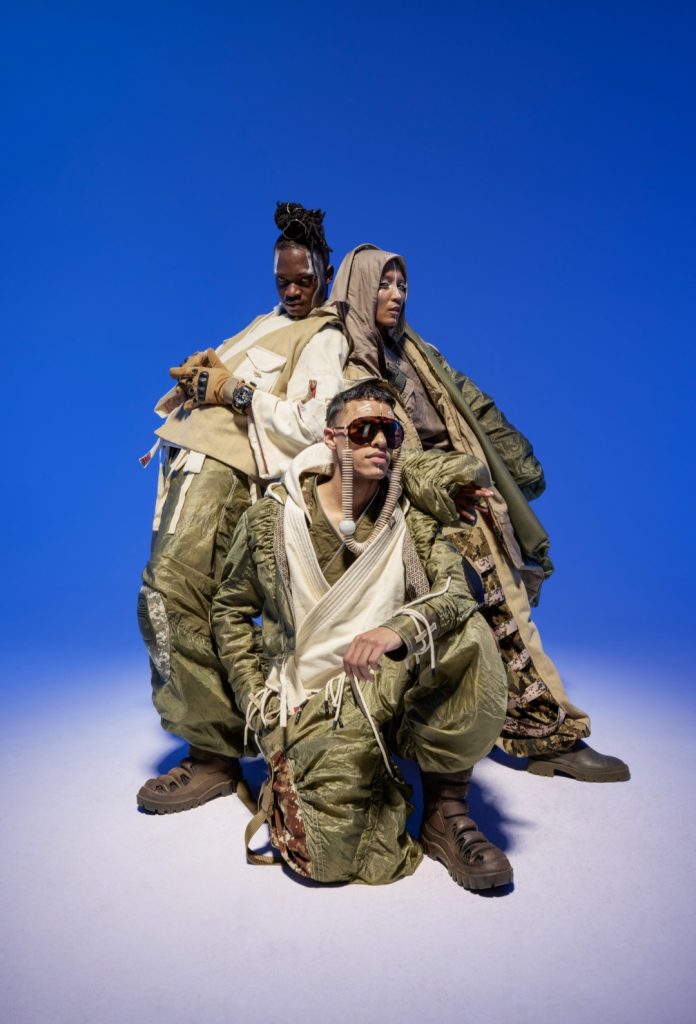
The winners represented the competitive side of a culture in which vehicle control, timing, technical skill and showmanship combine to create a spectacle.
For the wider spinning scene, the connection with fashion reflects something enthusiasts have long understood: a vehicle is not simply a machine. Its presentation, modifications and performance become extensions of the person behind the wheel.
By placing the collection within this environment, Engen connected its brand to a community whose creativity extends well beyond the products used to maintain its vehicles.
More Than a Fashion Statement
Engen Xtreme Kouture represents an attempt to recognise South African motoring culture through design while exploring the possibilities of repurposed materials and local craftsmanship.
The collection is expected to appear at further events, collaborations and cultural activations throughout the remainder of 2026 and into 2027, extending the project beyond its initial unveiling.
Whether its greatest legacy is its unconventional use of materials, its contribution to skills development or its recognition of spinning culture, the project opens an interesting conversation about the relationship between industry and the communities it serves.
South Africa’s spinning scene has always created its own identity. Engen Xtreme Kouture puts that identity on the runway, reminding the fashion world that inspiration can come from the workshop just as readily as from the studio.