
Kia’s Boldest Move Yet Enters the Country’s Most Competitive Automotive Battlefield. South Africa is one of the world’s toughest proving grounds for bakkies. This is a market where reputations are forged over decades, where brand loyalty runs deep, and where consumers demand vehicles capable of handling everything from city traffic and business operations to off-road expeditions and long-distance family travel. For generations, the formula has remained largely unchanged: capability first, comfort second. Now, Kia is challenging that formula.
With the introduction of the all-new Tasman, Kia enters the South African bakkie segment for the very first time. More importantly, it enters with a proposition that questions one of the category’s longest-standing assumptions: why should toughness come at the expense of comfort?
A New Challenger Arrives
The Tasman represents more than just another model launch. It is Kia’s first-ever bakkie, developed to compete in one of the most demanding and fiercely contested automotive categories globally. Unlike traditional entrants that attempt to establish credibility through exaggerated claims of strength and ruggedness, Kia has taken a different approach. Rather than competing directly with decades of established heritage, the brand has identified a gap that has largely been ignored by the segment’s dominant players.
The result is a vehicle designed to deliver serious capability without demanding the compromises that drivers have historically accepted.
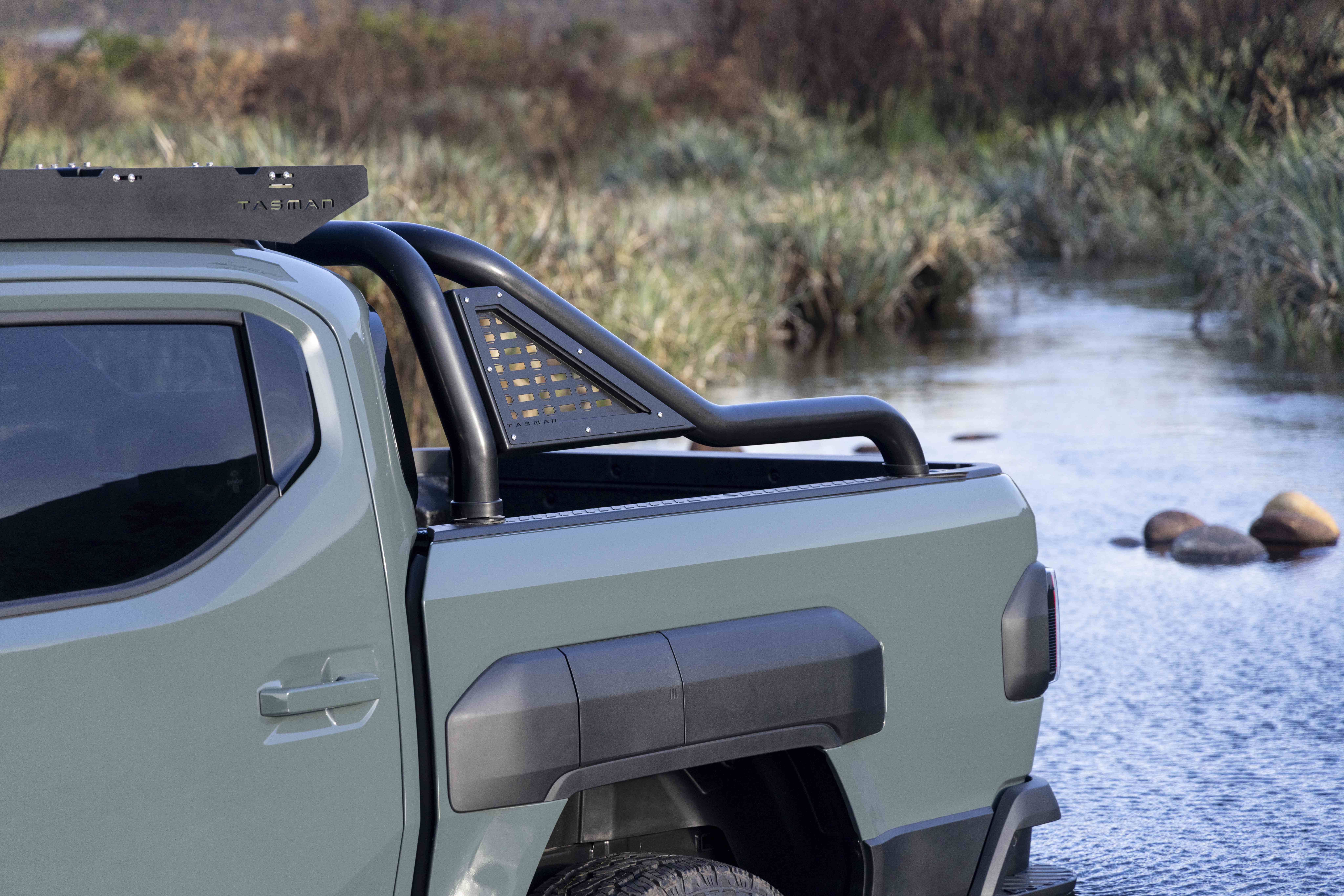
Understanding The South African Driver
To appreciate the significance of the Tasman, one must first understand the role a bakkie plays in South African life. For many owners, a bakkie is expected to perform multiple functions simultaneously.
It serves as a workhorse during the week, a family vehicle on weekends, an adventure companion during holidays, and a towing vehicle when required, and often, a symbol of personal identity.
Few automotive categories are asked to do more; this reality creates unique demands. Buyers need durability, practicality, load-carrying ability, towing strength, off-road capability, safety, technology, and increasingly, refinement.
The modern consumer no longer wants to choose between functionality and comfort; they expect both.
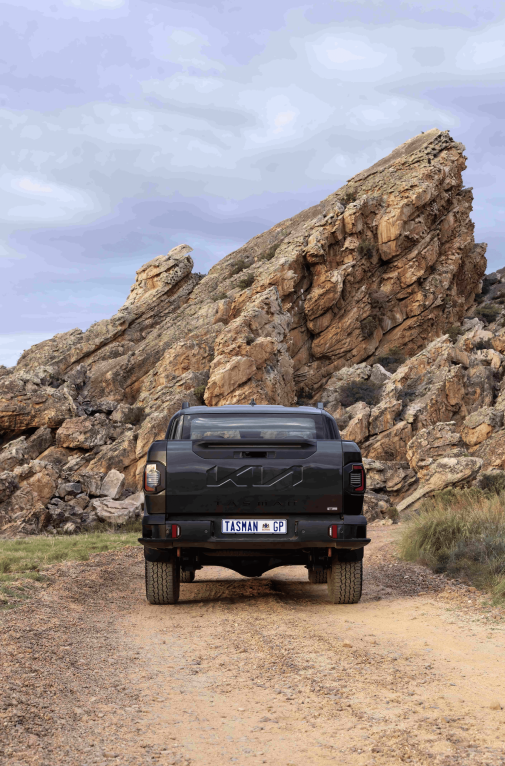
The Industry’s Unspoken Compromise
For decades, bakkie ownership has involved an accepted trade-off. If you wanted genuine capability, you accepted a firmer ride. If you wanted durability, you accepted increased cabin noise. If you wanted off-road performance, you accepted a degree of discomfort.
It became part of the ownership experience, the category evolved around this belief, yet very few manufacturers ever stopped to challenge it. Kia did.
The Tasman was developed around a simple but powerful question: What if capability and comfort could coexist? That question forms the foundation of the entire vehicle.
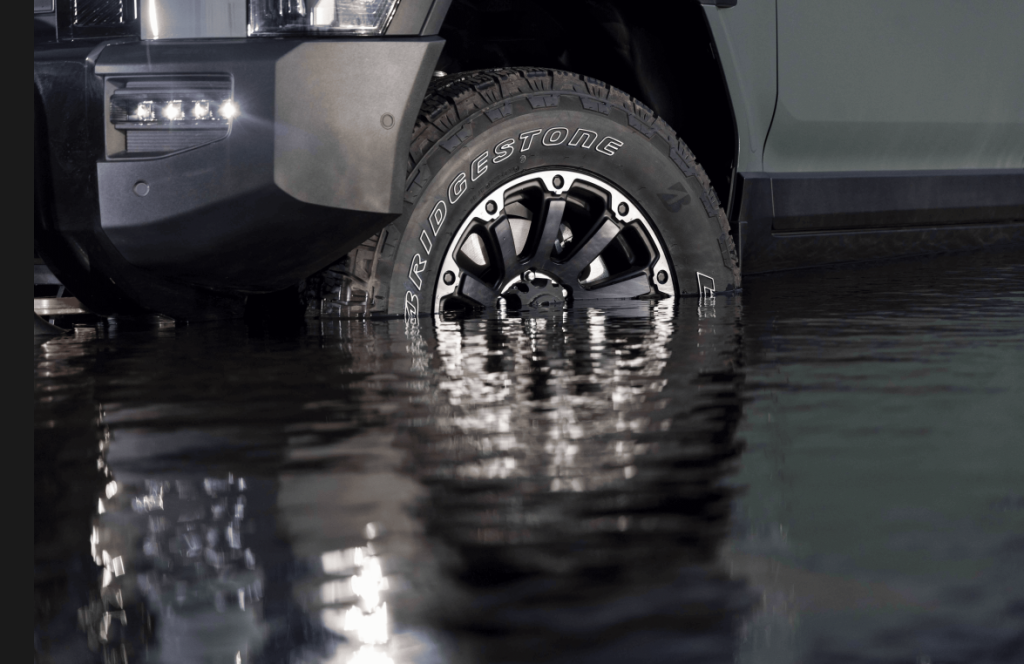
Built For The Real World
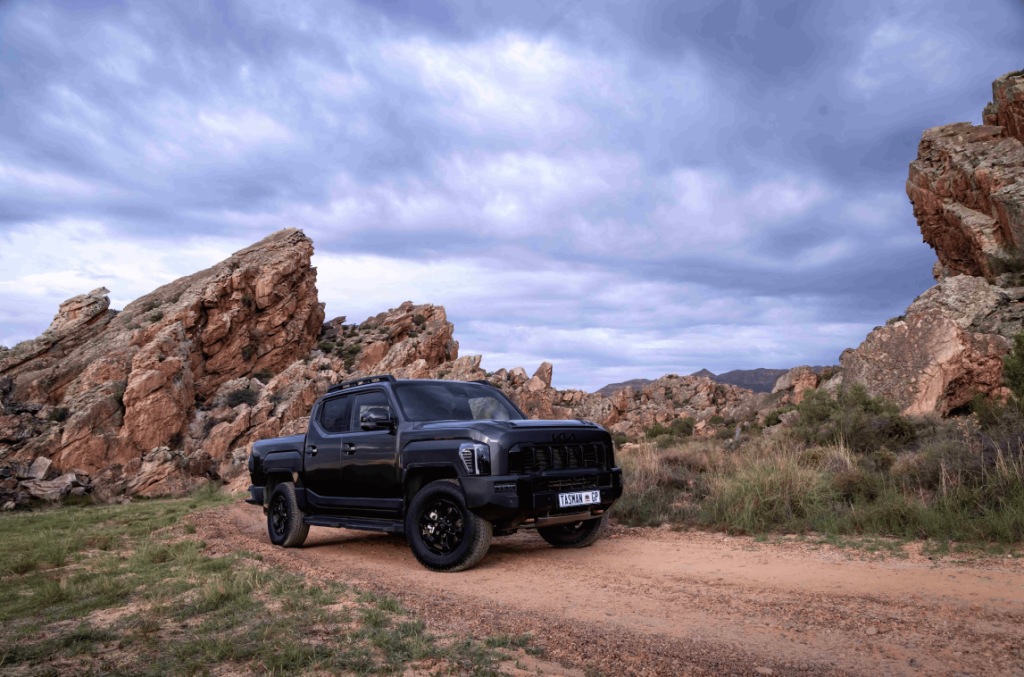
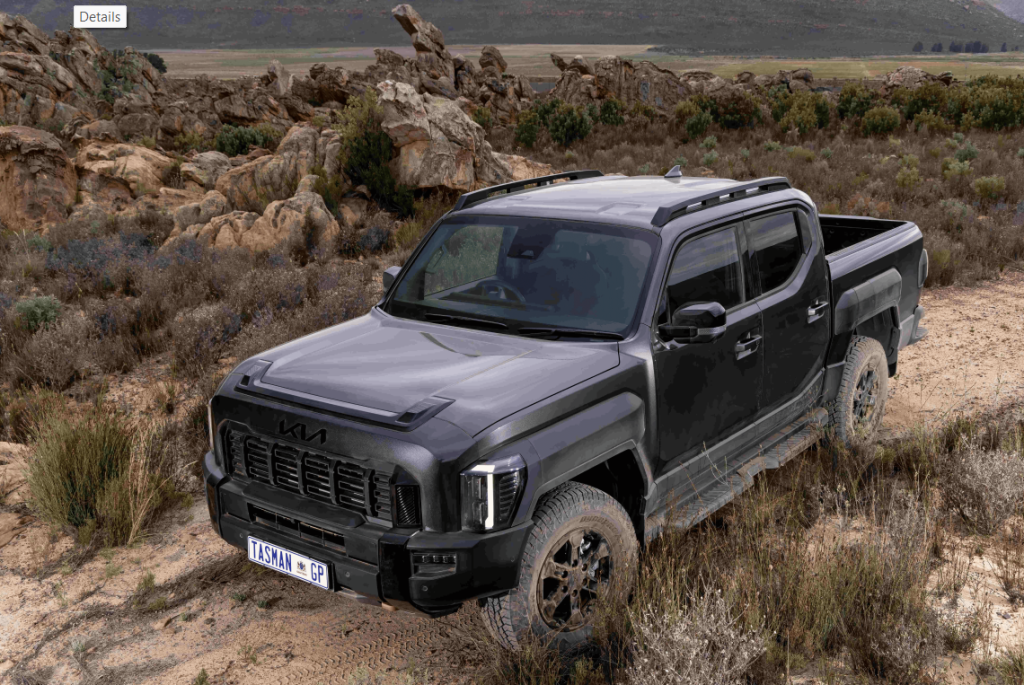
From its exterior design to its engineering philosophy, the Tasman feels purpose-built for modern lifestyles. Its stance communicates strength and confidence. Its proportions reflect utility and practicality. Yet there is a level of sophistication that immediately distinguishes it from traditional work-focused alternatives.
The design language is contemporary without appearing overly aggressive. It looks equally at home outside a corporate office, at a construction site, on a game reserve, or parked beside a campsite overlooking the coastline. That versatility is increasingly important in today’s market. Modern buyers expect their vehicles to adapt to their lives rather than the other way around.
Where The Tasman Changes The Conversation
The biggest surprise lies behind the wheel. This is where the Tasman begins to separate itself from convention. The cabin delivers a level of refinement more commonly associated with premium SUVs than traditional bakkies. The seating is supportive and comfortable. Technology is thoughtfully integrated. Materials feel considered and modern. Visibility is excellent. Most importantly, the driving experience feels composed.
As road surfaces deteriorate, the Tasman maintains a level of comfort that many drivers simply do not expect from a vehicle of this capability. The harshness traditionally associated with the segment is noticeably reduced. Instead of constantly reminding occupants of the terrain beneath them, the vehicle absorbs and manages imperfections with confidence.
The result is a driving experience that feels more effortless, whether navigating urban streets, gravel roads, or long-distance highway journeys.
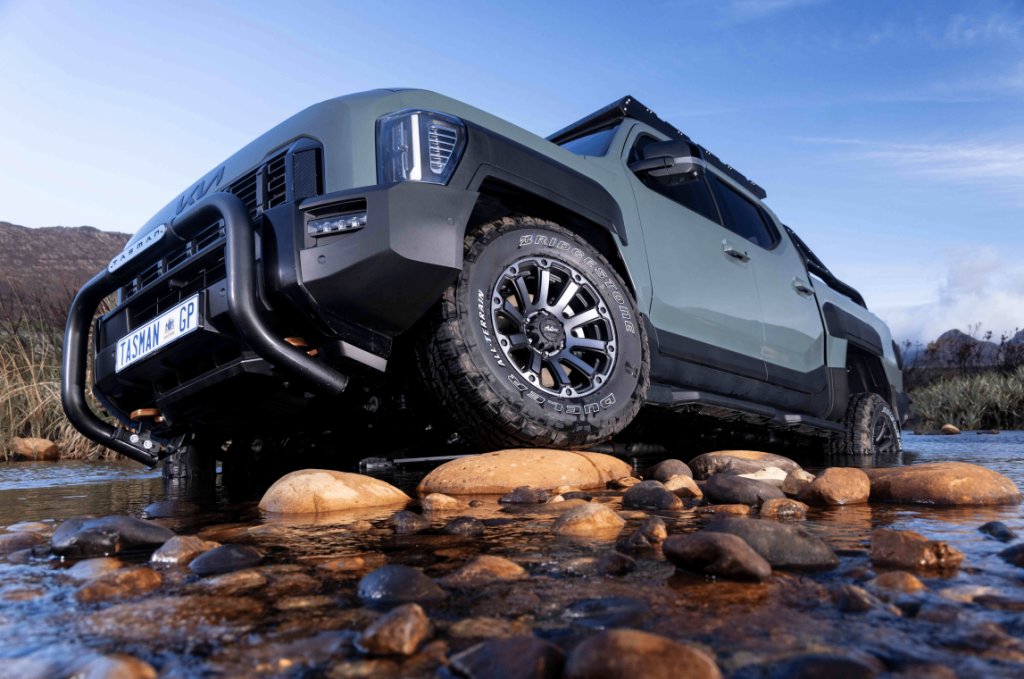
Built For Rough. Tuned For Smooth.
The Tasman’s launch campaign captures this philosophy perfectly. The commercial depicts a world shaking around the vehicle. Buildings vibrate. Roads rattle. The environment appears unsettled. Yet the Tasman remains calm. Its occupants remain composed. The message is clear. South African roads can be rough.
Your journey does not have to be. The campaign succeeds because it visualises something many drivers have experienced, but few brands have addressed. Rather than glorifying hardship, it focuses on eliminating unnecessary discomfort.
It is a subtle shift in perspective, but a powerful one.
Capability Without Compromise
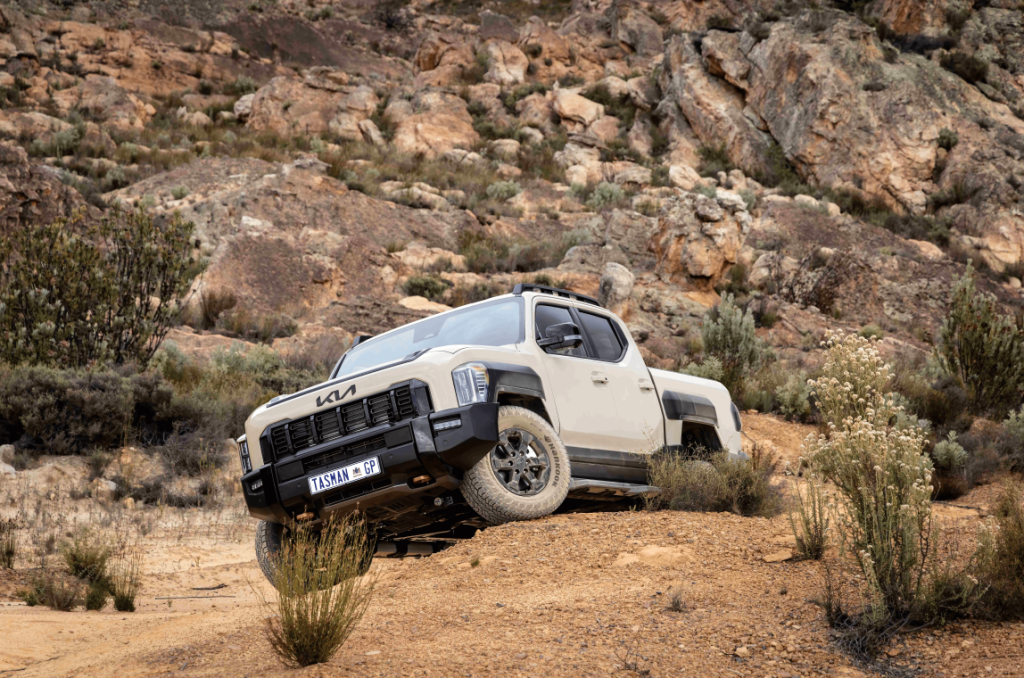
None of this refinement comes at the expense of the qualities that matter most in the segment. The Tasman remains a serious utility vehicle.
It is designed to handle demanding conditions, challenging terrain, towing responsibilities, and everyday work requirements. However, unlike many traditional competitors, it does not ask owners to sacrifice comfort in exchange for those capabilities. This balance may ultimately become the vehicle’s strongest competitive advantage.
It appeals not only to traditional bakkie buyers but also to SUV owners who have previously been hesitant to enter the segment due to concerns around ride quality and daily usability.
Why The Industry Is Paying Attention
The arrival of the Tasman is significant because it introduces fresh thinking into a category often defined by established traditions. Kia is not attempting to rewrite the rules through brute force. Instead, it is identifying an overlooked consumer need and building a product around it.
That strategy is often where genuine disruption begins. History shows that the most successful challengers are rarely those that imitate market leaders. They succeed by changing the conversation.
The Tasman appears determined to do exactly that.
Final Assessment
The all-new Kia Tasman enters South Africa as a newcomer, but it does not behave like one. It arrives with confidence, clarity, and a distinct point of view. Its proposition is refreshingly simple:
More importantly, it presents a new way of thinking about what a modern bakkie can be.
And in a category where most competitors continue telling the same story, that may be exactly what South African buyers have been waiting for.